The Part of the Chula Vista Bayfront Boom That Isn't About the Resort
September 17, 2026
September 17, 2026
Drive down H Street toward the water and you'll pass the Gaylord Pacific first. It's hard to miss. Twenty-two stories, more than 1,600 rooms, a lazy river and waterslides you can see from the road. It opened in May 2025 as the anchor of a redevelopment that's been two decades in the making, and it did its job. People who'd never heard of Chula Vista are now booking rooms there.
But keep driving past the resort, toward the dirt lot across the street, and you'll find the part of this story that hasn't gotten the same attention. That lot is Harbor Park, and depending on when you read this, it's either still dirt, half a playground, or fully open. The construction crews broke ground there in March, and if the timeline holds, the first phase should be wrapping up right around now.
Here's the thing worth sitting with: the resort is the headline, but it isn't the largest thing happening on the bayfront. Acre for acre, most of what's actually being built down there is public park space, and a good chunk of it is either already open or close enough that you can plan a weekend around it.
The Gaylord Pacific earned its coverage. At roughly $1.3 billion, it's currently the largest hotel on the West Coast, with nine on-property restaurants including SoundWaves, which looks out over the bay, plus three levels of meeting space built to pull conventions into the South Bay instead of downtown San Diego.
What doesn't always make it into the coverage is that you don't need a room key to use it. The resort sells day passes to its water park, so a Chula Vista family can rent a cabana, a paddleboard, or a pontoon boat for an afternoon without booking a stay. If you've been picturing the Gaylord as strictly a tourist amenity, that's worth revising. It's also a neighborhood one, at least for the price of a day pass.
Across H Street from the resort, the next phase of development is already permitted: a second hotel planned around 1,200 rooms, along with a cultural center. Port officials have said that project has cleared its permitting. It hasn't broken ground yet, so treat it as a plan on paper rather than something you'll see this year.
Here's where the story shifts. In April 2025, Sweetwater Park opened at the northern end of the bayfront, adding 39 acres of public space built around passive recreation and habitat access, right next to the Sweetwater Marsh National Wildlife Refuge. It's designed less for splash pads and more for walking, birdwatching, and the kind of quiet you don't expect to find this close to a convention hotel.
Now add Harbor Park. It used to be called Bayside Park, and at 12 acres it was a modest strip of green between the water and the road. The expansion underway now will more than double it, to roughly 25 acres. That's 13 new acres on top of what already existed, funded through a $15 million project that includes a grant from the California Coastal Conservancy.
Put those two projects together and the bayfront has already added, or is actively adding, more than 50 acres of public park space in about eighteen months. That's not a marketing figure. It's Sweetwater Park's 39 acres plus Harbor Park's 13 new acres, and neither number depends on the resort, the future hotel, or anything still waiting on funding. It's the part of the bayfront transformation that belongs to residents first.
If you want to see the finished version of this story today, Sweetwater Park is it. The Sweetwater Bicycle Path and Promenade runs through the park and connects to the marinas, the Living Coast Discovery Center, and the Sun Outdoors San Diego Bay RV resort further north. It's flat, it's shaded in places, and it's built for the kind of slow Saturday morning that doesn't require a car once you've parked.
One woman who exercises there regularly with a group of neighbors told KPBS she'd initially worried the redevelopment would eat into the green space near her home, but has come around to feeling like the city built this phase with residents in mind rather than around them. That's the kind of read you only get from someone who was watching the lot before it was a park, and it lines up with what the acreage numbers show. This phase wasn't optional landscaping bolted onto a hotel project. It was planned as its own thing.
Harbor Park's first phase is a nautical-themed playground with multi-age climbing structures and a play slope, and the city's timeline has been consistent that it would land sometime between this fall and the end of the year. If you've driven past the lot recently and seen equipment going in, that's what you're watching arrive.
Phase two is a splash pad, and that one's slotted for spring 2027, so don't expect it this year no matter how the playground timeline shakes out. Beyond that, there's a north phase of Harbor Park that would extend the park space further, but as of the most recent reporting, the port hadn't yet identified funding for it. That's the honest state of things right now: one phase nearly done, one phase more than a year out, and one phase that doesn't have money behind it yet.
A few more pieces are moving in parallel, worth knowing about even though none of them are ready to visit. The Amara Bay development would bring 35 acres of commercial space and a roughly 250-room hotel to the bayfront, part of the next wave of the master plan rather than something open today. A new fire station built to serve the growing bayfront population was targeted to open by late spring this year, sized to eventually be the largest in Chula Vista once it's fully staffed with multiple engine companies.
None of this is dramatic. It's the unglamorous infrastructure that has to show up before a neighborhood can absorb this many new visitors and residents at once, and it tends to get a fraction of the attention the resort got when it opened.
The easy version of the bayfront story is that Chula Vista built a resort and the rest is commentary. The more accurate version is that the resort came first because it needed private financing and a ribbon-cutting to justify itself, while the park space is arriving on a slower, quieter, publicly funded track that doesn't need anyone's attention to keep moving. Sweetwater Park didn't need a press tour to be worth an early morning walk. Harbor Park's playground doesn't need fanfare to be worth checking on next time you're near H Street.
If you've been assuming the bayfront redevelopment is mostly about tourism, it's worth revising that. More than 50 acres of what's already open or nearly open belongs to the people who already live here, not the people staying two nights in a hotel room.
That's the kind of shift that eventually shows up in how a neighborhood feels to live in, long before it shows up in any listing description. If you're curious how the bayfront's growth is reshaping the surrounding blocks, or you just want to talk through what you're seeing change around your own home, Conchita Lopez would be glad to have that conversation. Let's Connect.
Stay up to date on the latest real estate trends.

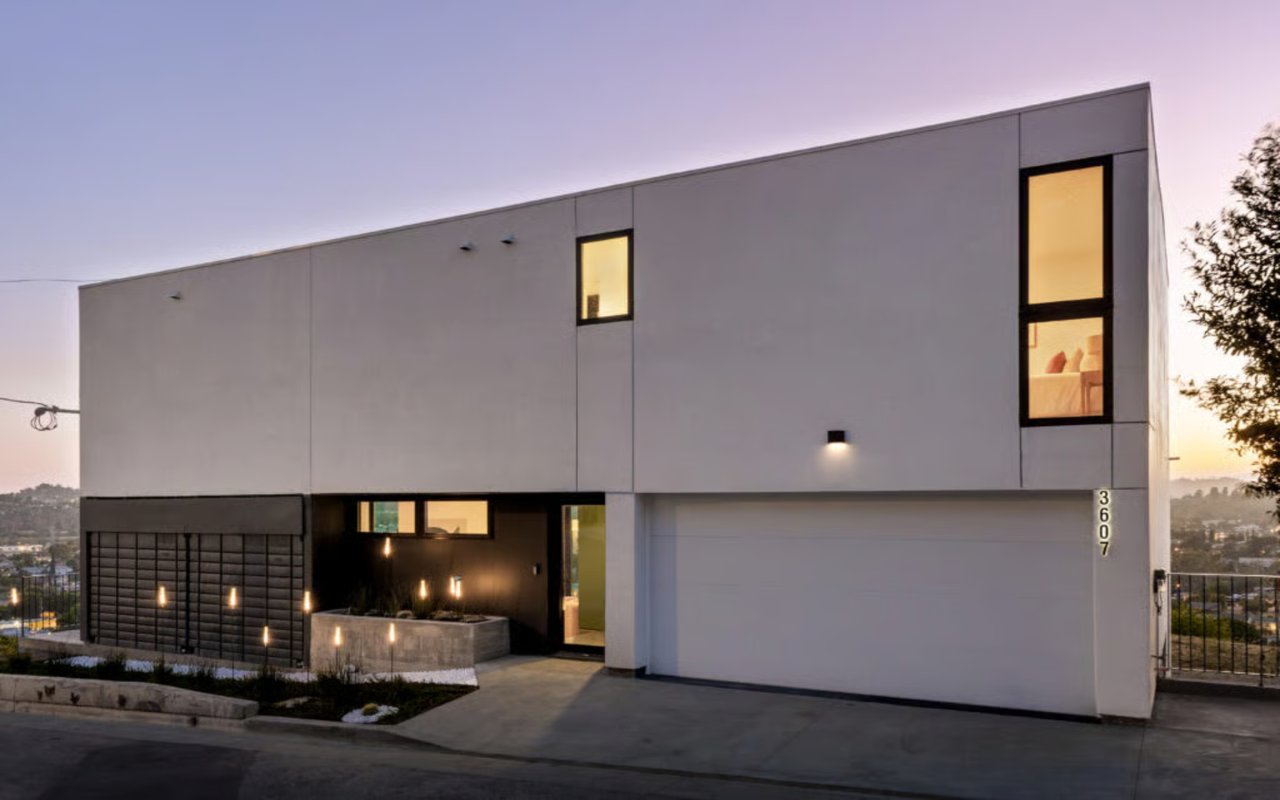
The 3-level, 4-bed, 3-bath home sits at the edge of a hillside overlooking the city.
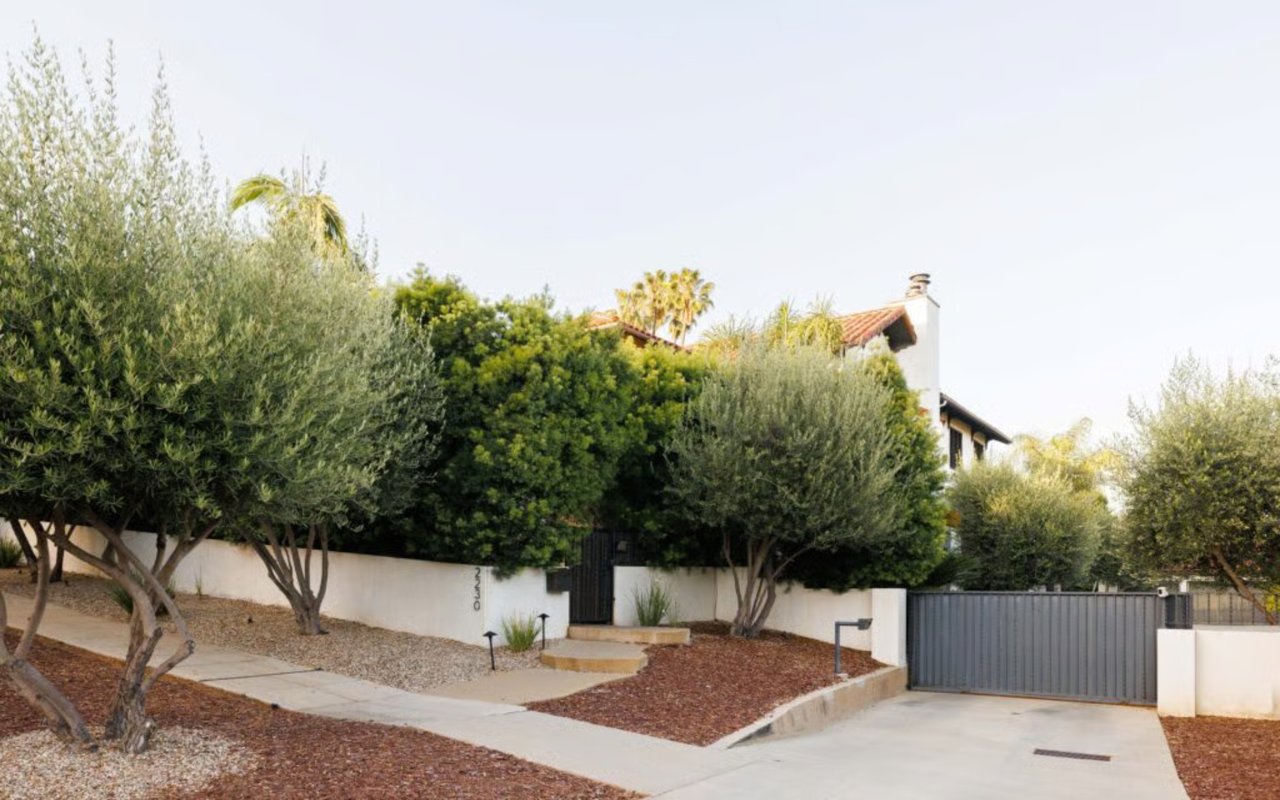
Los Feliz is one of L.A.’s most evocative neighborhoods, with a selection of properties.
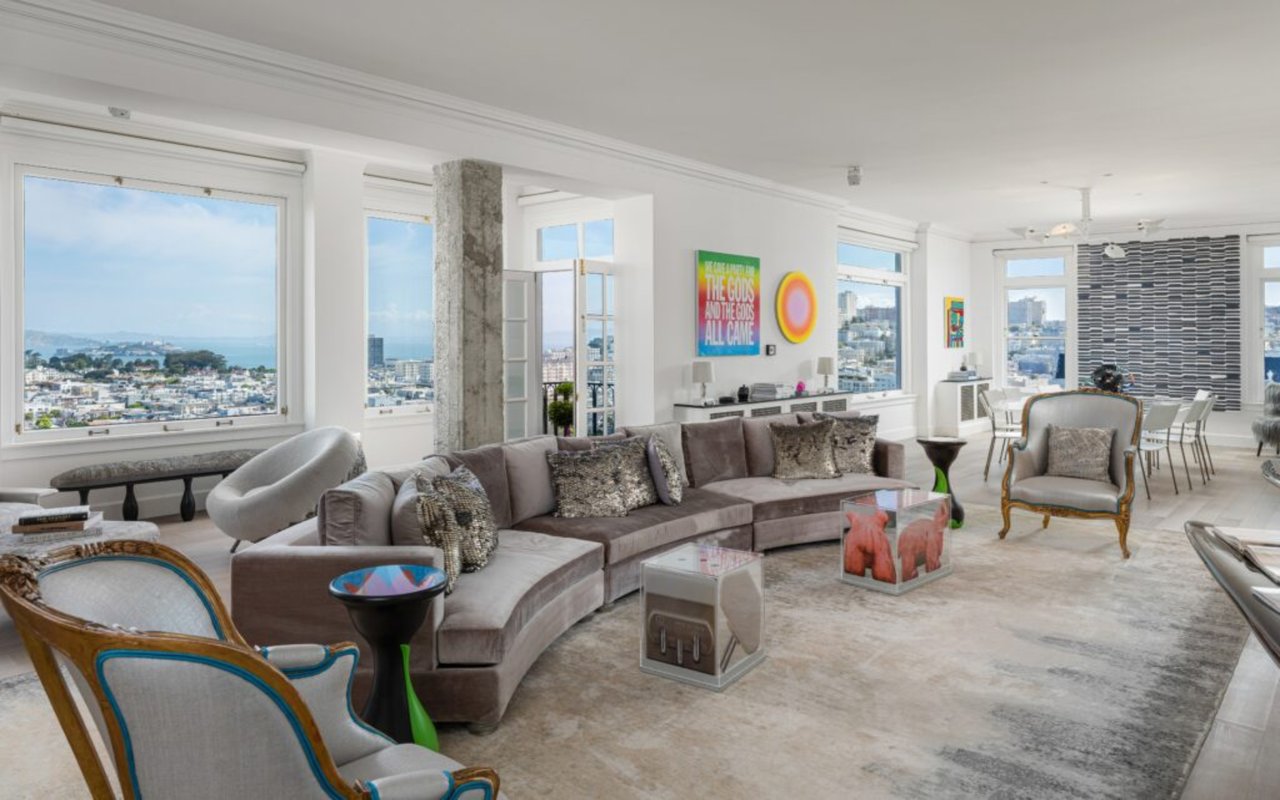
Considered one of San Francisco’s finest residential buildings since its construction in 1924.
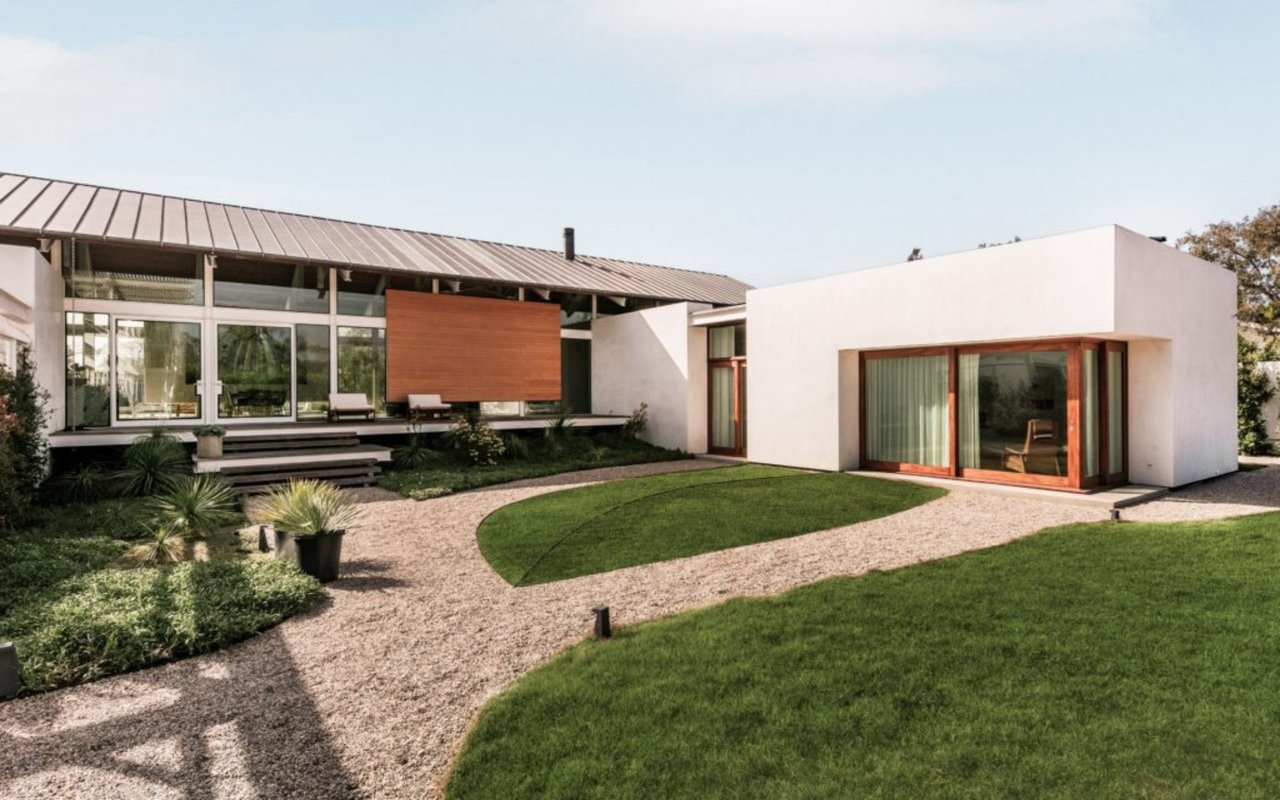
The post A Malibu Compound By Lake Flato, $19.75M appeared first on California Home+Design.
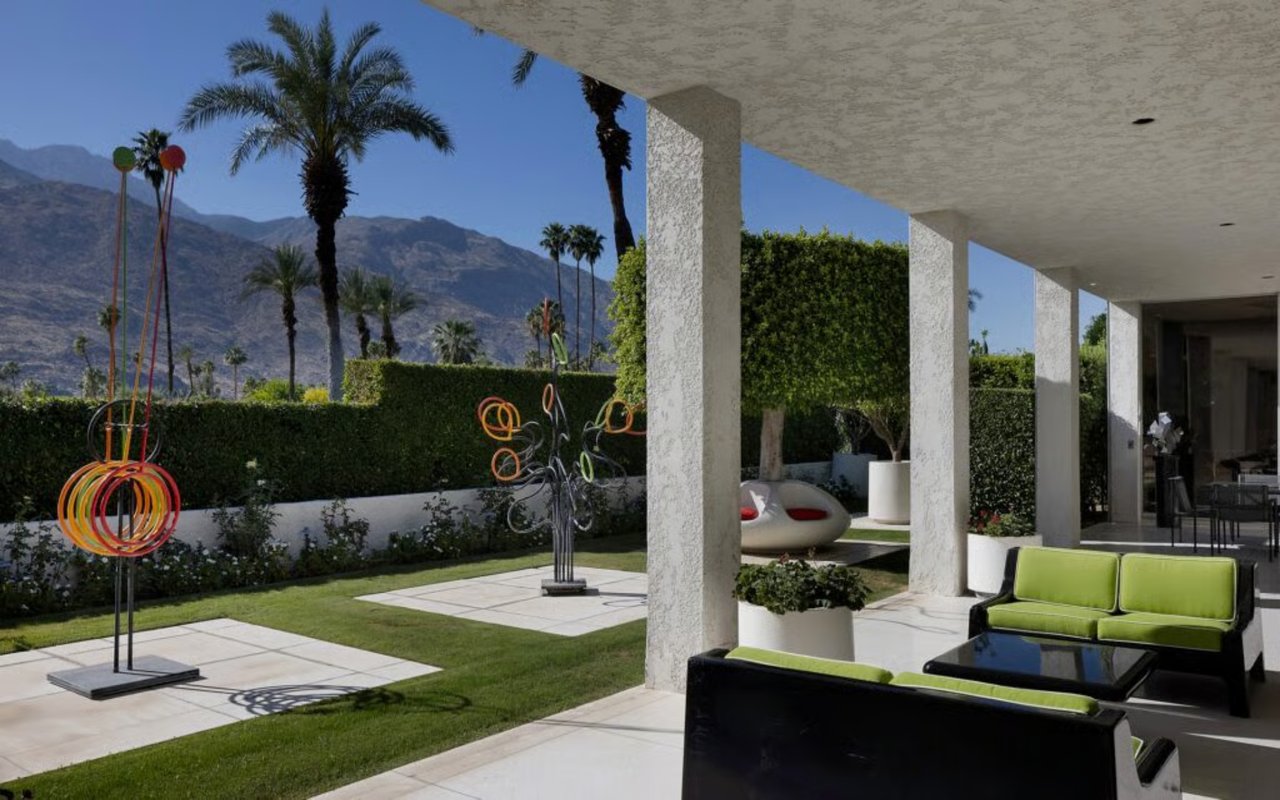
The original interiors are still largely intact but beautifully refreshed.
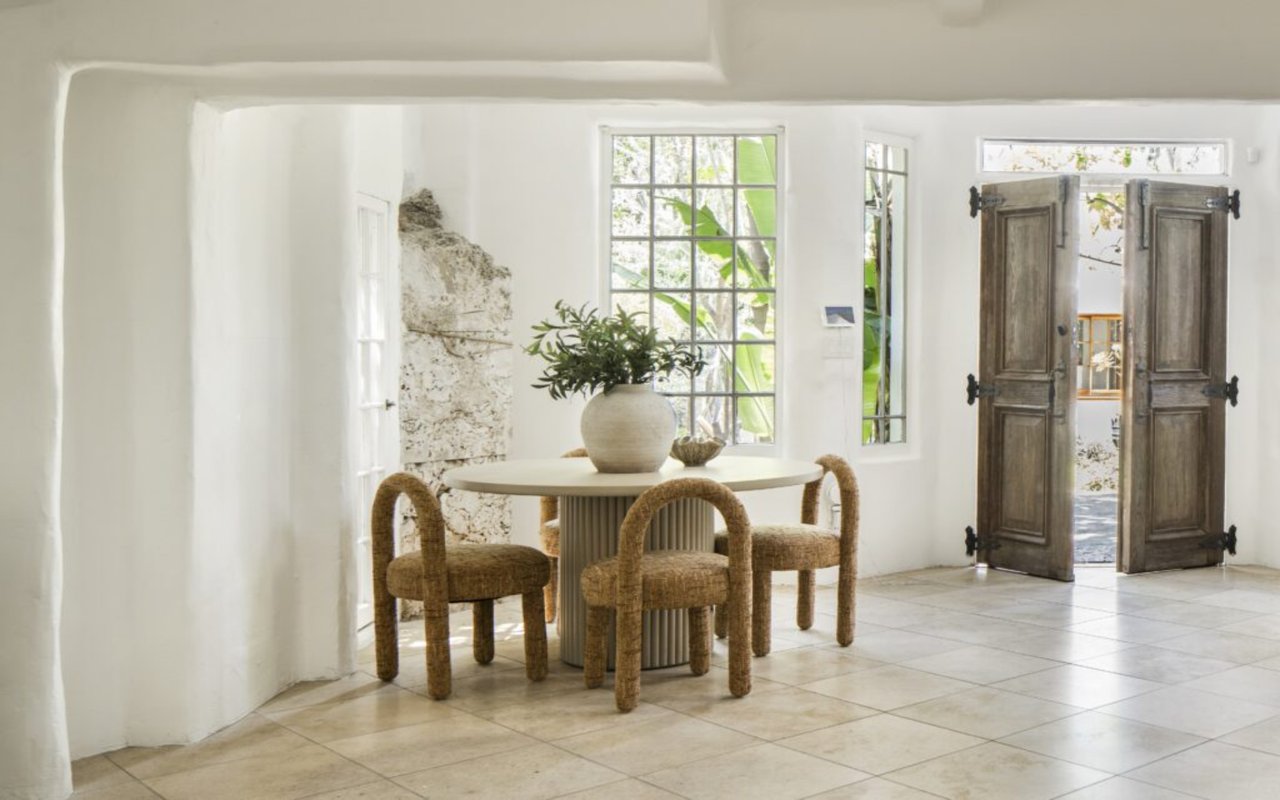
There are a total of five fireplaces, all rebuilt during Zappa’s ownership.
She provides trusted guidance backed by expert market knowledge and a commitment to lifelong learning. From first-time buyers to luxury sellers and multi-generational families, she delivers personalized service, strategic advice, and dedicated support to help clients achieve their real estate goals with confidence.
CONCHITA LOPEZ | CA DRE #587921
2326 Proctor Valley Rd C 102 Chula Vista, CA 91914 FINEST CITY HOMES & LOANS